

Too cute to be really inclusive


It was 2015 when the Oxford Dictionaries announced the emoji Face with Tears of Joy (😂, U+1F602) as the Word of the Year (WOTY). The WOTY is a tradition among different dictionaries or institutions to select (each of them individually) a word that reflects social trends and global events that defined a specific year. The emoji Face with Tears of Joy was very popular worldwide, therefore the Oxford Dictionaries selected it because it “best reflected the ethos, mood, and preoccupations of 2015”1. This was the first and last time an emoji was chosen as Word of the Year. At the same time, this was a pivotal moment for the popularity of emojis, which have gradually taken over social media, everyday life, and pop culture since 2010. Earlier in 2015, the emojis re-branded themselves in a newer, more diverse, inclusive and representative version. Since then, new emojis have been released every year, adding to their diversity even further. But is it true?
Let’s start from the beginning: How did we come up with Emojis?
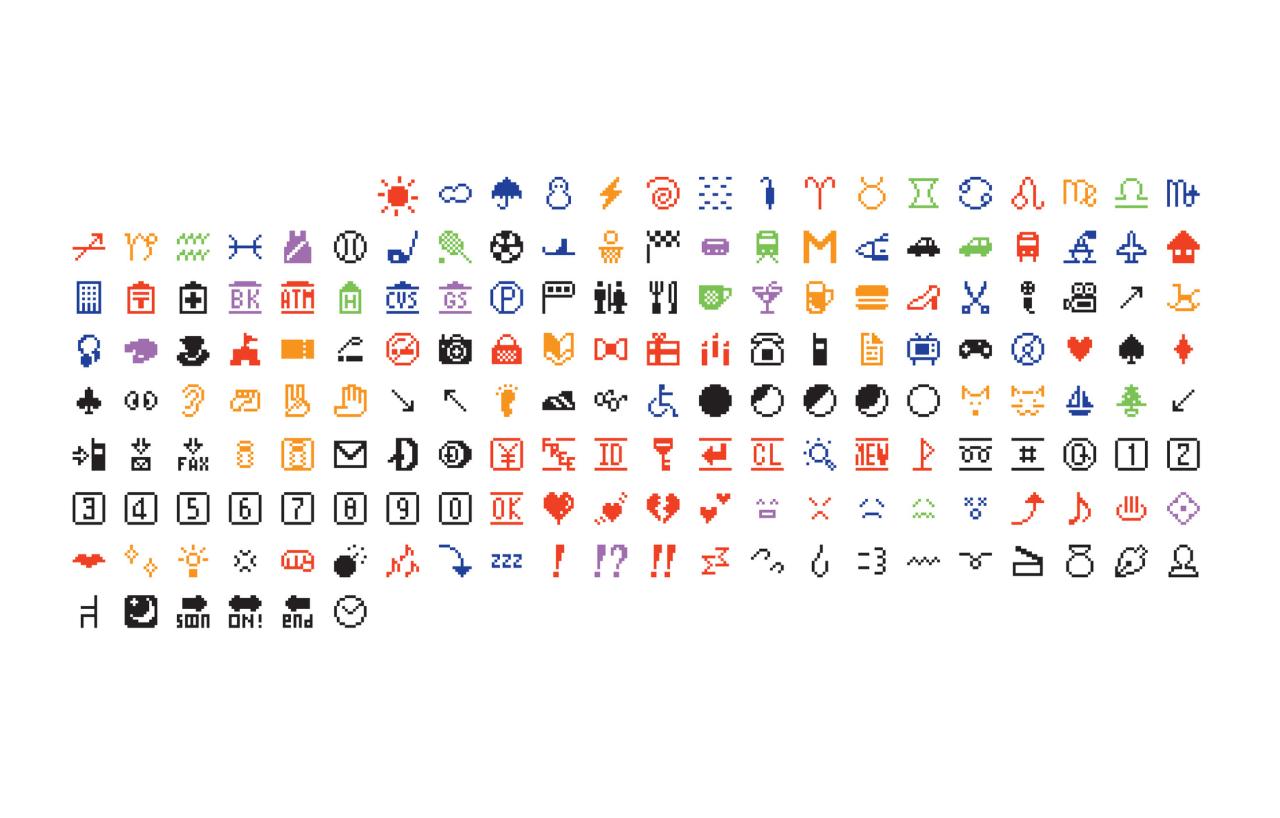
The so-called modern hieroglyphs are the offsprings of emoticons (a portmanteau for emotion+icon): pictorial icons, usually representing facial expressions and composed by punctuation marks, letters, and numbers. Back in the 1980's, the emergence of the public data networks allowed computers to get connected. People started to exchange messages online and they soon realized that unlike face-to-face conversations, there were no verbal signals (like facial expressions or body language) to give extra context on what was communicated, which sometimes was not clear in the online texts. So what would have been a better idea than to use symbols resembling human faces? The need for graphical symbols which can provide extra non-verbal information text increased in the 1990’s with the introduction of the commercial internet, personal computers, as well as the first cellphones. The designer of emojis is Shigetaka Kurita, who created the first bunch of emojis while working for i-mode — a Japanese mobile internet provider by NTT DoCoMo. Again, the word is a portmanteau of the Japanese words e (絵; 'picture') + moji (文字; 'character') and they were used as a shortcut for information, such as weather forecasts, as well as adding context to online communications.
Let’s Unify! – The Unicode Consortium
As with the different human languages around the world, programming languages vary and do not necessarily work across all platforms or devices. The increased popularity of emojis in Japan (especially among younger people) led competitors from abroad to introduce their own set of emojis. But then, the following issue occurred: The emojis were not displayed if there was an incompatibility between platforms or the devices/phones of the users who had different operating systems (for example: BlackBerry OS, Symbian, iOS, Android). Since the multilingual environments were not working for emojis, there was a need to find a "common language". But who decides what the lingua franca will be? In that case, it was the Unicode Consortium2 that created a standardized encoding system for emojis, so they could be displayed accurately across platforms and devices. As of 2025, among Unicode’s full members with voting power are Adobe, Airbnb, Amazon, Apple, Google, Meta, Microsoft, Salesforce and Translated3. The Unicode, which is a non-profit, offers different membership types ranging from individual to corporate. However, only full or supporting membership (which costs $50,000 and $20,000 respectively) grant voting rights4.
The category is… diversity!
Unicode not only provides the necessary encoding (Unicode Standard), but also decides which emojis will be added to the emoji vocabulary next. The first 719 emojis were standardized under Unicode in 20105. Over the next few years, emojis became widely used, and in 2014, Unicode introduced 139 new ones. But popularity brings also criticism… Individual people, groups and even companies noticed the lack of diversity and underrepresentation when it comes to race, non-western cuisine, jobs, families, sexual identity and flags. Unicode reacted quickly and in 2015 introduced 776 (!) new emojis -the biggest emoji addition so far. Now, users are able to choose among 5 (!) skin tones (based on the controversial Fitzpatrick scale) for people-emoji. Apparently human diversity is limited to five skin colours and of course none of these emojis have racial characteristics. On the other hand, there is a glimpse of LGBTQ+ inclusion with same sex couples and same sex families with one or two kids. Also that year, almost all countries (except of Northern Ireland) got their emoji flag.
Gender equality in jobs and playboy bunnies
After 2015 and based on popular demand, new emojis should be introduced every year. In 2016 we had the release of single parent family emojis. Users can choose between a “man” or a “woman” for the parent, who again has one or two kids (large families are not included) and the gender of the kids is a “boy or a girl”. This year the LGBTQ+ flag was also added to the list, under the generic name “rainbow flag”. However, the breakthrough of this launch comes in the categories of professions and sports. Unicode introduced many different professions and athletes who are represented by female and male versions of emojis. So far so good, right? Well, let’s talk about the “women with the bunny ears.” This emoji is based on the Bunny girls, which is the Japanese version of the Playboy bunnies: a highly sexualized waitress working at a Playboy Club. Originally, the “women with the bunny ears” were included in the first emoji release back in 2010, however in 2016 they were re-introduced with longer legs, more prominent ears and a male version (because inclusivity?) who are wearing shorts instead of bodysuits6.
The user has the power (sometimes)
Unicode might have the last word in deciding the next emoji characters, however they are open to suggestions. People can submit their proposals and this procedure can take up to two years until the approval (or not) of the new emoji. In 2016, a 15 years old Saudi Arabian teen, Rayouf Alhumedhi, realized that she couldn’t find any emoji to represent herself (a Muslim girl wearing hijab) in a WhatsApp group chat with other teens. Finding herself and 550 million other Muslim women unrepresented, she decided to start The Hijab Emoji Project campaign to propose the creation of the “Woman with Headscarf” emoji. Rayouf proposed that name as a way to include women from other religions who are also wearing headscarfs. The “Woman with Headscarf” was officially added to the emoji vocabulary in 2017.
This is not what you think it is!
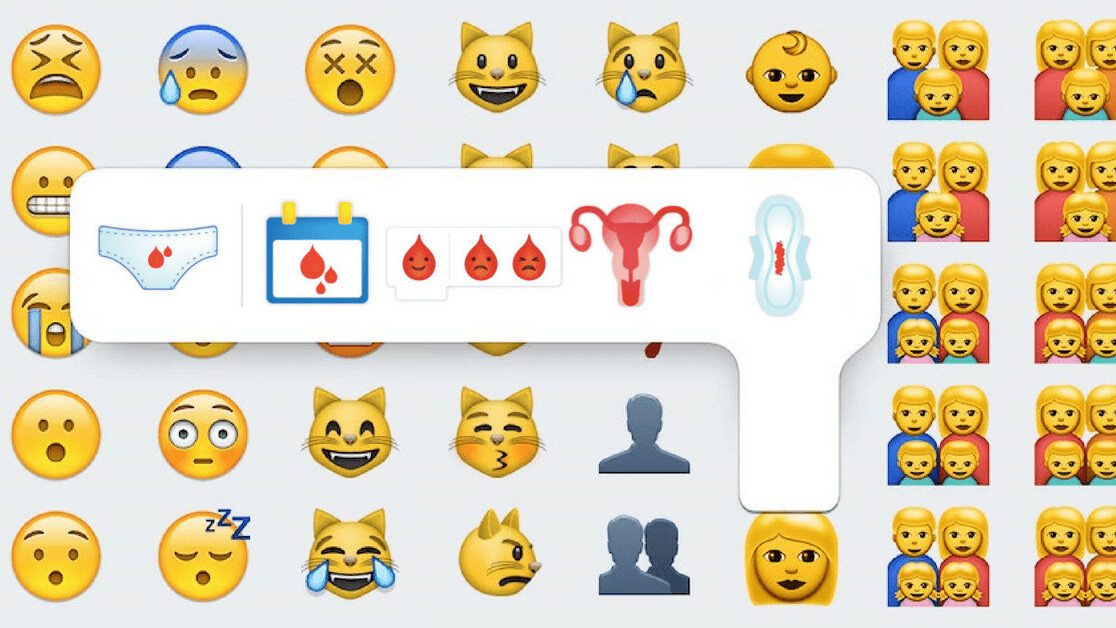
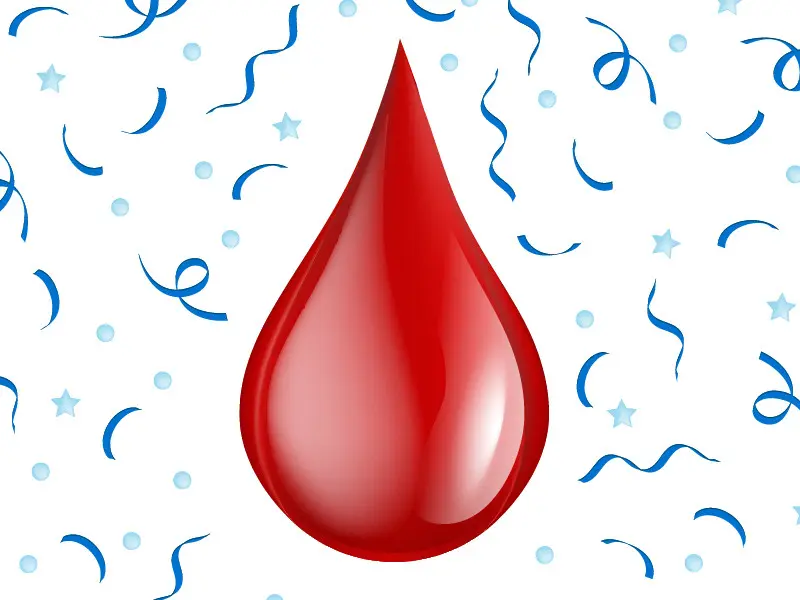
However not all campaigns are successful. The same year, the humanitarian organization Plan International conducted a survey about the shame and stigma of menstruation among young girls and women in the UK. 48% of the participants (aged between 14 and 21) answered that they were embarrassed by their periods. Plan International UK saw emojis as a way to familiarize people and potentially stop the stigma around periods, so they decided to create 5 different emojis to represent menstruation and asked people to vote for their favorite. The designs included a pad with blood, a monthly calendar, smiling blood droplets, a uterus and “the period pants”. The last one received 54,600 votes and was crowned the winner. Plan International submitted it to the Unicode Consortium, which soon rejected it and advised them to come up with an emoji design that will have “multiple uses”. At the end, the “drop of blood” (a collab with NHS Blood) was approved and released in 2019. The media welcomed the new emoji with titles like “Bloody Brilliant: a new emoji to symbolize menstruation welcomed”7 and “Women finally get a menstruation emoji”8. But is it really a symbol that will help break taboos around periods, decrease period poverty, and make people who menstruate feel included?
Conditional inclusivity
In 2018, after consulting various organizations, Apple submitted a proposal for 13 new disability-themed emojis “to better represent individuals with disabilities”9. What do all these emojis have in common? They represent a small selection of visible disabilities (the non-visible ones remain invisible). The selection was accepted and released with the Unicode Emoji 12.0 version in 2019. Since then, no further disability emojis have been added to the emoji list. On the positive side, the transgender flag emoji was included in 2020, and to this day it remains, together with the rainbow flag (which, however, has not been updated to the new one), as the only distinct LGBTQIA+ emojis. The same year and in line with the concept of "inclusivity", the woman/man/person (bottle) feeding baby emoji will be added as a more diverse version to the breastfeeding emoji —released in 2016 and depicted only as a woman. The last emoji worth mentioning is the pregnant man/person emoji, which joins the list in 2021 as a more inclusive version of the pregnant woman emoji (2016). Somewhere along the line the idea of diversity started to fade, and the number of the new emojis released each year began to decline drastically. The reason? According to the Subcommittee Chairperson Jennifer Daniel “My hope is that it’s becoming more apparent to the public that we’re encoding fewer emoji year after year —less things that are theoretical”10.
I would like to speak to the manager!
As we see, in the past there were numerous groups, organizations, and institutions who were putting pressure for more diversity in emojis. But since everyone is (at least partially or stereotypically) represented, then we should all feel included and stop complaining, right? Emojis are considered the fastest growing language of all time, yet their vocabulary doesn’t seem to be evolving as fast. In recent years, especially with the rise of conservatism and the far right, the emoji releases seem to be out of context. The social media platforms have become highly controlled —but only when it comes to social or political issues— with emojis being used to track and shadow ban comments and accounts11. At the same time, we are witnessing the rise of the Tech Oligarchs12 who instrumentalize their platforms to promote their own (conservative) agendas in order to acquire more power and financial profit. So, under these conditions, does it make any sense to wait for the manager to file our complaints?
Looking for the way out
Maybe the solution is to migrate to Fediverse, a decentralized ecosystem of interconnected social platforms. Unlike traditional social media, the structure of Fediverse allows communities to host their own social platform by using their own server (this is called "instance"). Instances are owned, operated and moderated by the community that creates them -which makes them safer and more user friendly, in comparison to the commercial servers. This also means that no big tech companies are involved and there is no tracking or data selling for advertisement (among other things). Mastodon is an example of an open-source microblogging platform. In simple words: Mastodon is comprised of small independent communities. Here, users can use the “traditional” emoji, or “mastodon emojis”—also known as emojos— which are custom made and in each instance they can have their own theme. After spending so many years in the "established" social media, a change might be difficult and it might take time. But even if you are not ready for this change yet it is important, especially as immigrants and FLINTA*, to question who decides who will be represented and to pay attention to feminist purplewashing. Also, choose your emojis wisely! 🧙 🧹
Footnotes
1 https://languages.oup.com/word-of-the-year/2015/
2 https://www.unicode.org/consortium/consort.html or https://en.wikipedia.org/wiki/Unicode_Consortium
3 https://home.unicode.org/membership/members/
4 Voting https://home.unicode.org/membership/membership-levels/ ; https://drive.google.com/file/d/1fn_kyFoiVnBk1Pr8eKXjPi0NUdHDH_Bk/view
5 https://www.unicode.org/emoji/charts/emoji-versions.html
6 https://www.dictionary.com/e/emoji/people-with-bunny-ears-emoji/
7 https://www.theguardian.com/technology/2019/feb/09/period-emoji-menstruation-blood-donation
8 https://www.fastcompany.com/90302946/women-finally-get-a-menstruation-emoji
9 https://abilitymagazine.com/new-emojis-for-disabilities/
10 https://qz.com/2188816/how-unicode-decides-on-new-emoji
11 https://theintercept.com/2023/10/28/instagram-palestinian-flag-emoji/
12 https://www.theatlantic.com/politics/archive/2025/01/tech-zuckerberg-trump-inauguration-oligarchy/681381/